Health and Safety Policy for Commercial Waste Removal Gipsy Hill
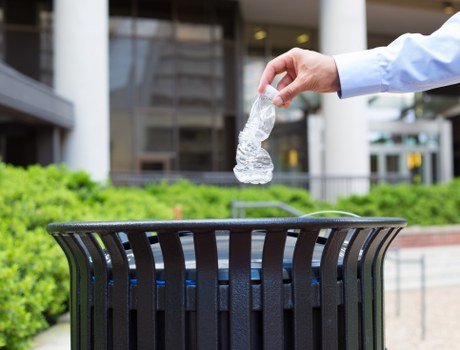 Commercial Waste Removal Gipsy Hill is committed to maintaining the highest standards of health and safety across all operations. This policy outlines the responsibilities, systems and controls that the company and its workforce will use to minimise risk while providing commercial rubbish removal and waste collection services. The aim is to protect employees, contractors, clients and the public by applying clear procedures and safe working practices that reflect operational realities in a busy refuse and recycling environment.
All staff engaged in commercial rubbish removal, site clearance, or waste transfer duties must undertake appropriate training and demonstrate competence in handling, segregation and transportation of commercial waste. Managers will ensure that risk assessments are carried out for every site and task, that suitable personal protective equipment (PPE) is available and used correctly, and that safe systems of work are documented. Underline emphasis on consistent implementation is essential: safety is a core operational priority.
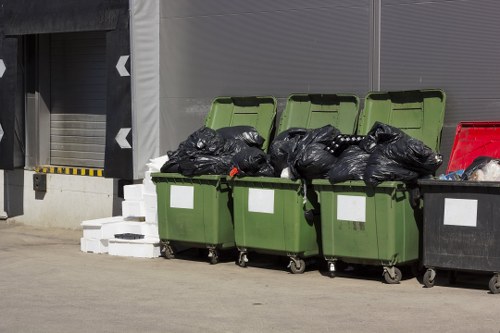 The scope of the policy covers all aspects of commercial waste handling and removal in the service area, including routine collections, skip loading, bulky item removal and specialist waste segregation. Teams must follow established procedures for lifting, manual handling and vehicle operations. Equipment maintenance schedules, inspection logs and driver checks form part of the control measures. The company will monitor compliance and review procedures following incidents or significant changes in work methods.
Responsibilities and Management Arrangements
Senior management are responsible for setting and monitoring health and safety objectives for commercial waste collection and removal operations. Supervisors are accountable for the day-to-day application of these rules on-site. Employees and contractors must cooperate with safety systems, report hazards and use provided safety equipment. The organisation maintains records of training, certificates, risk assessments and incident reports to demonstrate continuous improvement and legal compliance for waste and rubbish services across the operational area.
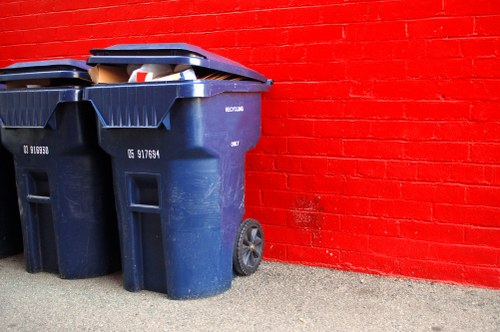 Risk assessment is central to safe waste management. Assessments identify hazards such as sharp objects, hazardous substances, manual handling risks and moving vehicles. Controls include safe segregation, clear signage, secure containment, and where necessary, specialist disposal routes. Pre-job briefings are required for complex tasks and for working in confined spaces or high-traffic commercial environments. Emergency procedures, first aid provisions and clear communication channels are mandatory elements of site planning.
Training, Competence and Communication
Training programmes cover lifting techniques, vehicle safety, spill response and hazardous materials awareness tailored to the needs of commercial rubbish removal teams. Toolbox talks, refresher sessions and practical demonstrations are scheduled routinely. Communication channels ensure that changes in operational procedures or risk information are distributed promptly. Staff are encouraged to raise safety concerns without fear of reprisal, and there is a structured process for investigating and learning from incidents or near-misses.Operational controls emphasise vehicle safety, route planning, secure containment and correct waste segregation. Drivers and crew must complete vehicle checks, adhere to load security standards and follow traffic and parking rules to reduce public risk. Manual handling protocols are reinforced with mechanical aids where available. The company enforces no-risk policies around unsafe loads and will refuse work that cannot be completed in a manner that protects people and the environment.
 Key elements of the policy are set out in concise commitments:
- Legal compliance — comply with relevant safety and waste management standards applicable to rubbish and commercial waste services.
- Prevention — identify hazards and prevent incidents through effective controls and maintenance.
- Training — ensure all staff are competent and equipped for their roles.
- Incident response — provide clear procedures for emergencies, spill control and medical aid.
- Continuous improvement — review performance and update the policy as operations evolve.
 Monitoring and review ensure the policy remains effective. Regular audits, workplace inspections and performance reviews measure compliance and identify opportunities for improvement. Incident investigation processes aim to identify root causes and implement corrective actions. This policy is a living document: it will be updated in line with changes to working practices, client requirements, or when lessons are learned from events or audits. Everyone in the organisation has a role to play.