Eco-Friendly Artwork: Creative Uses for Things You'd Normally Throw Away
Are you looking for fun and imaginative ways to create eco-friendly artwork while reducing waste and helping the environment? If so, you're joining a fast-growing community of artists, crafters, and DIY enthusiasts who are transforming everyday trash into dazzling treasures. From colorful bottle cap mosaics to expressive sculptures made of discarded electronics, the creative reuse of unwanted materials is revolutionizing the world of sustainable art. In this comprehensive guide, we explore how you can turn items you'd ordinarily toss into environmentally conscious masterpieces that spark conversation and inspire change.
What is Eco-Friendly Artwork?
Eco-friendly artwork (sometimes called green art or sustainable art) refers to creative projects and pieces crafted using materials that have been recycled, upcycled, or repurposed. Instead of buying new art supplies, artists look at common items like glass jars, fabric scraps, cardboard, plastic containers, and even broken gadgets, transforming potential trash into unique artwork. This greener approach reduces landfill waste, conserves resources, and spreads awareness about consumption and environmental stewardship.
Why Embrace Sustainable Art?
- Reduces Environmental Impact: Reusing materials cuts down on landfill waste and the need for new resources.
- Encourages Creative Problem Solving: Working with unconventional items sparks imagination and new forms of artistic expression.
- Educates and Inspires: Eco-art sends a powerful message about sustainability, resourcefulness, and mindful consumption.
- Saves Money: Reclaimed supplies are free or cheap, making art accessible to everyone.
Creative Uses for Everyday Throwaways
Below, we explore some of the most innovative techniques and eco-friendly art ideas that transform what you'd normally throw away into beautiful, conversation-starting works. Whether you are a seasoned artist, a school teacher, a parent searching for green activities, or simply a hobbyist, there are endless eco-reuse possibilities for your home, classroom, or studio.
1. Cardboard Creations
We all accumulate cardboard boxes--from cereal packets to shipping cartons. Rather than ditching them, cardboard is a versatile base for eco-friendly artwork. Here's how you can reuse cardboard creatively:
- Sculptures and Wall Art: Cut, layer, and glue pieces to design 3D models, geometric wall hangings, or animal shapes. Add paint or natural dyes for extra flair.
- Children's Crafts: Turn boxes into puppet theaters, castles, masks, or costumes. It's a great way to teach kids about sustainability and unleash their imagination.
- Critters and Creatures: Use cardboard tubes to make insects, animals, or robots with googly eyes and recycled accessories.
2. Plastic Bottle Magic
Plastic bottles are among the most widespread single-use items, but their durability makes them perfect for repurposed art. Here are a few eco-friendly art project ideas:
- Planters and Vases: Cut bottles creatively to make plant pots or hanging gardens. Paint and decorate for a custom touch.
- Sculptural Installations: Assemble hundreds of bottles to create large-scale art pieces--or festive decorations like snowflakes and lanterns.
- Bird Feeders: Transform bottles into nature-friendly bird feeders and support local wildlife.
3. Bottle Cap Mosaics
Before you toss out soda, juice, or milk bottle tops, consider their potential as miniature "tiles" for impressive eco-friendly mosaics. Collect caps in various colors for striking visuals. Create:
- Outdoor Murals: Glue caps onto boards, fences, or planters to make eye-popping patterns or landscapes.
- Functional Art: Decorate tables, coasters, or mirror frames with bottle cap designs.
4. Fabric and Textile Transformations
Old clothes, discarded linens, and torn socks are often headed for the bin but can shine anew as upcycled textile art. Some fabric reuse ideas include:
- Quilts and Patchworks: Sew fabric scraps together for cozy, one-of-a-kind blankets or wall hangings.
- Rag Rugs: Weave or braid strips into colorful floor mats using no-sew techniques.
- Stitched Canvases: Create textile "paintings" by layering or embroidering on fabric scraps.
5. Old Magazines, Newspapers & Books
Printed papers are a classic material for eco-friendly art and upcycling projects:
- Collages: Cut out interesting images, words, or patterns to make eye-catching collages.
- Paper Beads and Jewelry: Roll up strips of magazines to design quirky necklaces or bracelets.
- Origami: Fold newspapers or old book pages into decorative origami figures or hanging mobiles.
6. Electronic Waste (E-Waste) Art
Discarded electronics--such as keyboards, circuit boards, wires, or broken devices--can fuel dramatic, futuristic artworks:
- Assemblage Sculptures: Glue together components for robots, animals, or abstract forms.
- Mixed Media Paintings: Embed e-waste in canvas art for texture and commentary on tech consumption.
- Wearable Art: Craft jewelry from computer chips, keys, and wires for bold, modern accessories.
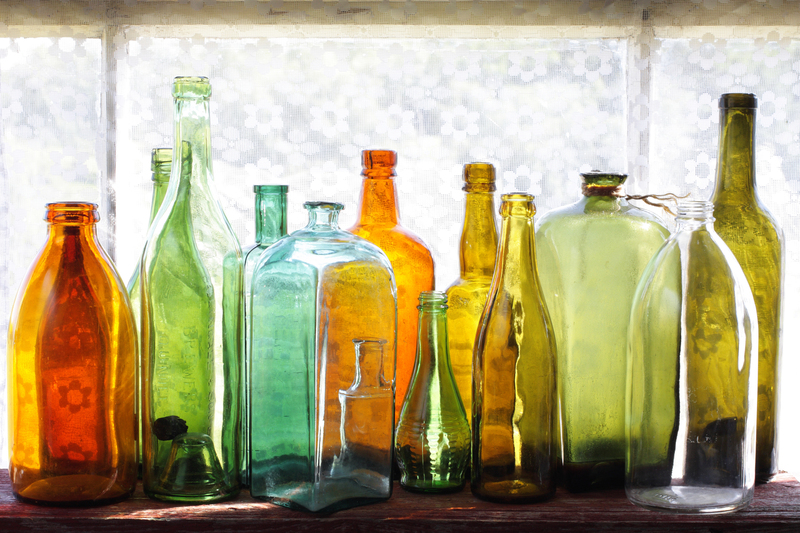
7. Glass Jar and Bottle Art
Glass jars and bottles offer endless opportunities for creative reuse in eco-art:
- Lanterns and Luminaries: Paint or decoupage glass for candle holders or garden lights.
- Mosaic Vases: Glue on beads, tiles, or colored paper to turn jars into decorative vessels.
- Storage Art: Use jars as mini dioramas, snow globes, or memory containers.
How to Start Making Eco-Friendly Art at Home
You don't have to be a professional to dive into eco-friendly artwork. With some imagination, patience, and a willingness to experiment, anyone can turn trash into treasures. Here's how to unleash your creativity sustainably:
1. Collect Reusable Materials
Start a "reclaimed art supply box" at home, school, or your studio. Ask friends and family to save cleaned jars, bottles, magazines, cardboard, textiles, and small household items. Clean and sort everything, ensuring you have a variety of textures, shapes, and colors to work with.
2. Research and Get Inspired
Browse online galleries, YouTube tutorials, and Pinterest boards dedicated to recycled art, upcycled crafts, and sustainable artwork. The more you see, the more ideas you'll acquire to fuel your imagination!
3. Plan Your Eco-Art Project
Think about your theme: Do you want to make something functional, purely decorative, or with a message? Sketch your ideas and lay out materials before assembling.
4. Use Non-toxic and Green Supplies
If you need glue, paint, or adhesives, seek eco-friendly brands that minimize volatile chemicals. Choose water-based, plant-based, or repurposed art supplies whenever possible.
5. Share and Inspire Others
Once your creation is complete, display your eco-friendly artwork at home, work, or school. Post photos on social media. Explaining your process and material choices will encourage others to consider the environmental impact of art-making.
Eco-Art in Schools: Teaching Kids Sustainability Through Creativity
Art teachers around the world are using eco-friendly art projects to foster creativity and environmental literacy in students of all ages. Incorporating green art into lessons builds ecological awareness, critical thinking, and resourcefulness. Some successful classroom activities include:
- Community Mural Projects: Use bottle caps, fabric scraps, or magazine clippings to make collaborative school murals.
- Nature and Science Lessons: Have students craft habitats or models using recycled materials to learn about endangered species and ecosystems.
- Eco-Art Exhibitions: Host an Earth Day art show featuring students' upcycled artwork, and discuss the environmental symbolism behind each piece.
Famous Artists and Movements Embracing Eco-Friendly Art
Eco-friendly art isn't just for hobbyists; it's a vital movement in the contemporary art world. Many renowned artists use recycled and repurposed materials, tackling themes of consumption, waste, and our relationship with the environment. A few celebrated eco-artists and movements include:
- Vik Muniz: Uses garbage, scrap metal, and recyclables to create large-scale "drawings" later photographed as fine art.
- Michelle Reader: Constructs mesmerizing sculptures from domestic waste and found objects, often depicting animals or surreal forms.
- Upcycle Art Exhibitions: Major museums and galleries now feature shows focused on sustainable art and eco-creativity.
Eco-Friendly Artwork: Tips for Success and Sustainability
To ensure your green art journey is rewarding--for you and the planet--keep these tips in mind!
- Clean Materials Thoroughly: Always wash food containers and sanitize secondhand items before using in art to avoid mold or pests.
- Prioritize Safety: Some e-waste or old plastics can be hazardous; avoid small parts with kids and use gloves when handling electronics.
- Mix and Match: Contrasting textures (cardboard, metal, fabric) can produce richly layered results in eco-artwork.
- Stay Minimal: The goal is to use as few new (especially non-biodegradable) supplies as possible--let the reclaimed items be the stars!
- Document Your Process: Take photos of your materials, steps, and finished piece. Share with others to inspire wider adoption of eco-friendly artwork.
Frequently Asked Questions About Sustainable Art
What types of waste materials are best for eco-friendly artwork?
Almost anything can be reused creatively, but the most popular include:
- Cardboard (boxes, tubes, cartons)
- Plastic (bottles, caps, food containers)
- Glass jars and bottles
- Textiles (old clothes, ribbons, fabric scraps)
- Paper (magazines, books, newspapers)
- E-waste (keyboards, wires, circuit boards)
Is eco-art really good for the environment?
Yes! By reusing waste, you reduce the amount of material headed to landfill and avoid purchasing new products. Many eco-art pieces also educate and inspire sustainable lifestyles.
Can sustainable artwork be practical?
Absolutely! Many eco-friendly creations are both beautiful and functional, including wall organizers, furniture, jewelry, garden decorations, and toys.
Do I need special skills to start?
No! All ages and skill levels can participate. Start small with collages or simple crafts and build up as your confidence grows.
Conclusion: Unleash Your Eco-Creative Potential
Crafting eco-friendly artwork is more than just a creative pastime--it's a powerful act of environmental activism. By giving new life to materials you'd usually throw away, you reduce waste, challenge the culture of disposability, and spread the message of sustainability far and wide. Whether you're making a recycled sculpture for your living room, leading a classroom project, or designing functional art for your community, every act of creative reuse matters. So open your recycling bin, let your imagination soar, and help build a greener, more artistic world--one reused object at a time!
Get inspired by the everyday possibilities, and share your eco-artwork with your friends, family, and online. You never know whose creativity you might spark next!
